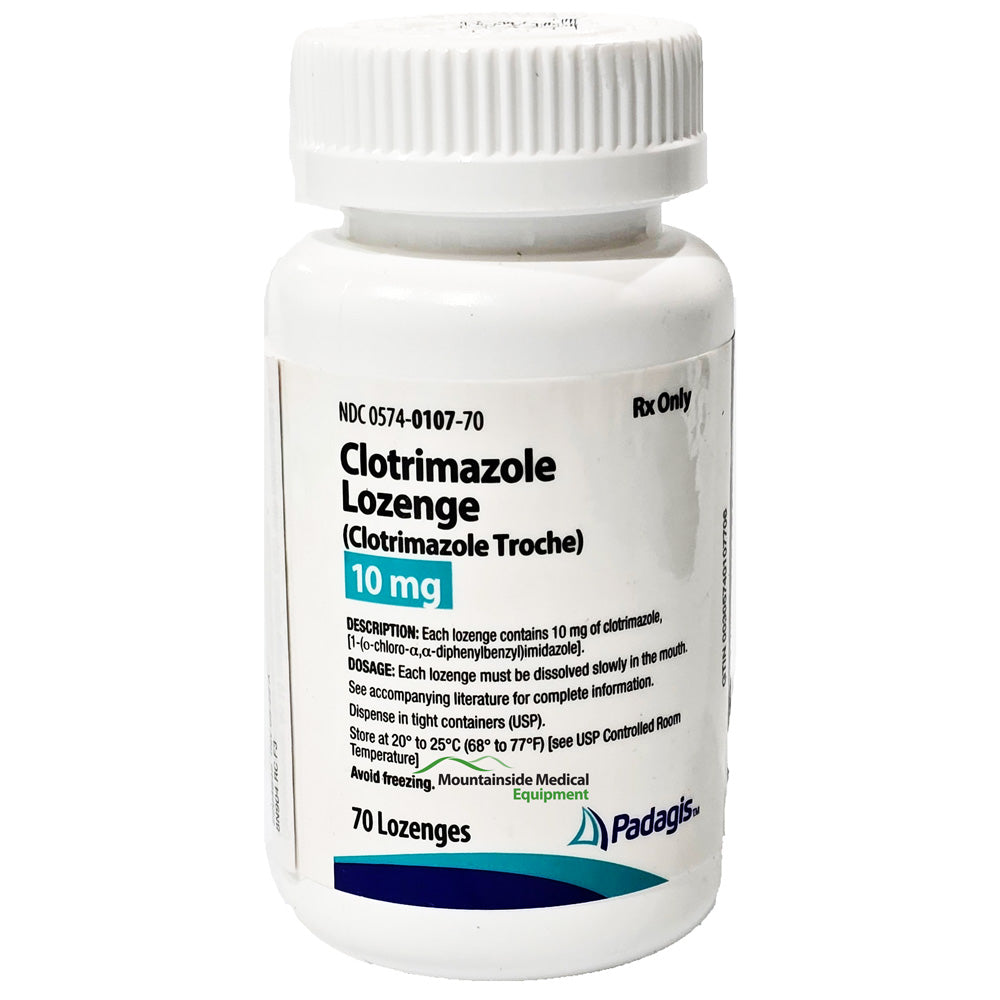
Need fast relief from oral thrush? Clotrimazole 10 mg lozenges offer a direct approach. Dissolve one lozenge slowly in your mouth five times a day, ensuring complete absorption. This targeted delivery combats the infection at its source.
Remember to follow the prescribed dosage meticulously. Consistent use is key for successful treatment. Avoid alcohol and acidic foods during treatment as they may irritate the affected area and hinder healing. While effective, clotrimazole lozenges are not a cure-all; consult your doctor if symptoms persist or worsen after a week.
Side effects are generally mild and may include a slight burning sensation or altered taste. If you experience more significant reactions such as skin rash, difficulty breathing, or swelling, seek immediate medical attention. Always inform your physician about other medications you are taking to avoid potential interactions. Proper storage, at room temperature away from moisture, maintains the lozenge’s efficacy.
For accurate and personalized guidance, always consult your doctor or pharmacist. They can provide tailored advice based on your specific health needs and medical history. Self-treating can be risky, so professional consultation is recommended before starting any medication, including clotrimazole lozenges.
- Clotrimazole 10 mg Lozenge: A Detailed Guide
- What is Clotrimazole 10 mg Lozenge and What is it Used For?
- How to Use Clotrimazole 10 mg Lozenge Correctly
- Dosage and Timing
- Things to Avoid
- Potential Side Effects
- Storage
- Potential Side Effects of Clotrimazole 10 mg Lozenge
- Less Frequent Side Effects
- Drug Interactions with Clotrimazole 10 mg Lozenge
- Potential Interactions with Topical Medications
- Interactions with Systemic Medications
- Precautions and Warnings Regarding Clotrimazole 10 mg Lozenge Use
- Interactions with Other Medications
- Pregnancy and Breastfeeding
- When to Consult a Doctor Regarding Clotrimazole 10 mg Lozenge
Clotrimazole 10 mg Lozenge: A Detailed Guide
Dissolve the lozenge completely in your mouth; do not chew or swallow it whole. This ensures proper absorption of the medication.
Clotrimazole 10 mg lozenges treat oral thrush, a fungal infection causing white patches in the mouth. The medication directly targets the fungus Candida, responsible for most oral thrush cases.
- Dosage: Follow your doctor’s instructions precisely. Typical regimens involve dissolving one lozenge several times a day.
- Duration: Treatment usually lasts for one to two weeks. Continue treatment as directed, even if symptoms improve before the prescribed end date.
- Possible Side Effects: Some people experience mild side effects like a slightly bitter taste or a temporary burning sensation in the mouth. More severe reactions are rare. Consult your doctor if you experience unusual symptoms.
Proper oral hygiene is vital during treatment. Gentle brushing and rinsing with a soft-bristled toothbrush and a mild mouthwash can help.
- Avoid alcohol and strong mouthwashes during treatment, as these can irritate the affected area.
- Maintain a balanced diet to support your body’s immune response.
- Inform your dentist about your Clotrimazole treatment, especially if you have any dental procedures scheduled.
If symptoms persist or worsen after completing the course of treatment, consult your physician for further evaluation and potential alternative therapies. This might indicate a more serious underlying condition requiring different management.
Always store the lozenges at room temperature, away from moisture and direct sunlight.
This information is for educational purposes only and does not constitute medical advice. Consult a healthcare professional for diagnosis and treatment of any medical condition.
What is Clotrimazole 10 mg Lozenge and What is it Used For?
Clotrimazole 10 mg lozenges are antifungal medications designed to dissolve in your mouth. They directly target Candida, a type of yeast that causes oral thrush.
Oral thrush presents as white patches or creamy lesions on your tongue, inner cheeks, gums, or throat. It can cause discomfort, burning, and difficulty swallowing. Clotrimazole lozenges combat this by killing the Candida fungus.
Use as directed. Typically, you dissolve one lozenge in your mouth several times a day, allowing it to fully dissolve. The exact dosage and treatment duration depend on your doctor’s recommendation. Always follow the instructions on the label.
Important considerations: Inform your doctor about any other medications you’re taking, including prescription and over-the-counter drugs. If symptoms persist or worsen after several days of treatment, seek medical attention. Pregnancy and breastfeeding might require specific advice from your healthcare provider regarding clotrimazole lozenge usage.
Potential side effects may include minor mouth irritation or a slightly altered taste. Rarely, more serious reactions can occur. Consult your doctor immediately if you experience anything unusual or concerning.
How to Use Clotrimazole 10 mg Lozenge Correctly
Dissolve one lozenge completely in your mouth five times daily. Avoid chewing or swallowing the lozenge whole; allow it to dissolve slowly. This ensures proper distribution of the medication in your mouth.
Dosage and Timing
Maintain a consistent schedule throughout the treatment period. Space your doses evenly throughout the day, roughly every 4-5 hours, to maintain a therapeutic concentration. Complete the full course of treatment as prescribed by your doctor, even if symptoms improve before the medication is finished.
Things to Avoid
Refrain from eating or drinking anything for at least 30 minutes before and after taking a lozenge to optimize absorption. Avoid smoking or consuming alcohol during treatment, as this could affect medication efficacy and increase potential side effects.
Potential Side Effects
Some users experience mild side effects, including a slight change in taste or a temporary burning sensation. If you experience any severe side effects, discontinue use and consult your doctor immediately. This includes unusual swelling, allergic reactions or persistent discomfort.
Storage
Store the lozenges in a cool, dry place away from direct sunlight and moisture. Keep them out of reach of children. Check the expiration date before use.
Potential Side Effects of Clotrimazole 10 mg Lozenge
While generally well-tolerated, clotrimazole lozenges can cause some minor side effects. The most common include mouth irritation, a slight burning sensation, or altered taste. These usually resolve quickly after discontinuing use. Rarely, patients experience a bitter taste or oral thrush.
Less Frequent Side Effects
Less common side effects are nausea and vomiting. If you experience persistent or severe nausea, contact your doctor immediately. Also report any allergic reactions, such as skin rash, swelling, or difficulty breathing. These are serious and require prompt medical attention.
Remember to inform your doctor or pharmacist about all medications you are currently taking, including over-the-counter drugs and supplements, to minimize potential drug interactions.
Drug Interactions with Clotrimazole 10 mg Lozenge
Clotrimazole lozenges primarily act locally in the mouth and throat. Systemic absorption is minimal, reducing the likelihood of significant drug interactions. However, concurrent use with other medications applied to the oral mucosa should be considered.
Potential Interactions with Topical Medications
Using other antifungal or antiviral medications topically in the mouth simultaneously could potentially interfere with clotrimazole’s effectiveness or lead to irritation. Consult your doctor before combining clotrimazole lozenges with other mouthwashes, gels, or sprays, especially those containing similar active ingredients. Avoid overlapping application times whenever possible.
Interactions with Systemic Medications
While rare due to limited absorption, theoretically, interactions with drugs metabolized by the liver’s cytochrome P450 system could occur at high doses. However, this is highly unlikely with the low dosage of clotrimazole in lozenges. Nonetheless, inform your doctor about all your medications, including over-the-counter drugs, herbal remedies, and supplements, to ensure safe use.
Precautions and Warnings Regarding Clotrimazole 10 mg Lozenge Use
Avoid swallowing the lozenge whole; allow it to dissolve slowly in your mouth. Contact your doctor if you experience any allergic reactions, such as rash, itching, or swelling. Do not use clotrimazole lozenges if you are allergic to clotrimazole or any other ingredient in the medication. Inform your doctor about all medications you are currently taking, including over-the-counter drugs and herbal supplements, to prevent potential interactions.
Interactions with Other Medications
Clotrimazole can interact with certain medications. Specifically, it may affect the effectiveness of anticoagulants like warfarin. Discuss this with your doctor, especially if you are on blood thinners. Avoid consuming alcohol while using clotrimazole lozenges, as it could potentially exacerbate side effects.
Pregnancy and Breastfeeding
Consult your physician before using clotrimazole lozenges if you are pregnant or breastfeeding. While studies haven’t shown significant risks, your doctor can provide personalized advice based on your specific situation. Use caution and follow your doctor’s instructions meticulously.
When to Consult a Doctor Regarding Clotrimazole 10 mg Lozenge
Contact your doctor if your oral thrush symptoms don’t improve after one week of using clotrimazole lozenges. This indicates the treatment might not be effective against the infection.
Seek immediate medical attention if you experience any allergic reaction. Symptoms include swelling of your face, lips, or tongue; difficulty breathing; or hives.
Similarly, consult your doctor if you develop new or worsening symptoms while using clotrimazole. This could point to a different underlying condition requiring alternative treatment.
If you have a weakened immune system (due to HIV/AIDS, cancer, or other conditions), discuss the use of clotrimazole with your doctor before starting treatment. Your doctor might recommend a different approach or closer monitoring.
Don’t use clotrimazole lozenges longer than prescribed. Prolonged use can lead to complications. Always follow your doctor’s instructions carefully.
| Symptom | Action |
|---|---|
| No improvement after 1 week | Contact your doctor |
| Allergic reaction (swelling, breathing difficulty, hives) | Seek immediate medical attention |
| New or worsening symptoms | Consult your doctor |
| Weakened immune system | Discuss treatment with your doctor before starting |